As the weather gets colder and drier, your skin may start feeling more sensitive than usual.
If your usual skincare suddenly stings or makeup looks patchy and uneven, it might be a sign that your skin barrier is weakened.
Let’s explore what the skin barrier is, why it matters, and how you can protect and strengthen it effectively.

The skin barrier refers to the outermost layer of the skin, called the stratum corneum.
Think of it as a “brick-and-mortar” structure — where the cells act as bricks and lipids (like ceramides) are the mortar that holds everything together.
This barrier prevents external irritants from penetrating the skin and keeps precious moisture from escaping.
When the barrier is healthy, the skin feels smooth, soft, and hydrated.
When it’s damaged, dryness, tightness, redness, and irritation easily appear.
Simply put, a strong skin barrier is the foundation of healthy skin.

What Causes a Weak Skin Barrier?
-
Dry environments: Seasonal changes, indoor heating, and air conditioning can strip your skin of moisture.
-
Over-cleansing or exfoliation: Harsh cleansers or frequent chemical peels can thin the barrier and cause sensitivity.
-
UV rays and pollution: Environmental aggressors damage skin lipids and trigger inflammation.
-
Overuse of active ingredients: Retinol, acids (AHA/BHA), or high-dose vitamin C can overstimulate and irritate the skin.
If your skin feels easily irritated and dehydrated even after moisturizing, your barrier may already be compromised.

Ongredients Skin Barrier Calming Lotion 80ml
Key Ingredients That Repair and Strengthen the Barrier
1. Ceramides
Making up more than 50% of the skin barrier, ceramides are essential lipids that fill the gaps between skin cells. They lock in moisture and protect against environmental stress. When ceramides are depleted, skin becomes dry, rough, and sensitive.
2. Panthenol (Provitamin B5)
Panthenol is a soothing humectant that attracts and retains moisture while supporting ceramide synthesis. It helps calm redness and strengthens the skin’s natural protective layer.
3. Hyaluronic Acid
This moisture-binding ingredient holds up to 1,000 times its weight in water. Using formulas with multiple molecular weights helps hydrate every layer of the skin and keep it supple and balanced.
4. Squalane and Natural Oils
Light, skin-compatible oils replenish lost lipids and create a soft, breathable seal that prevents further dehydration.
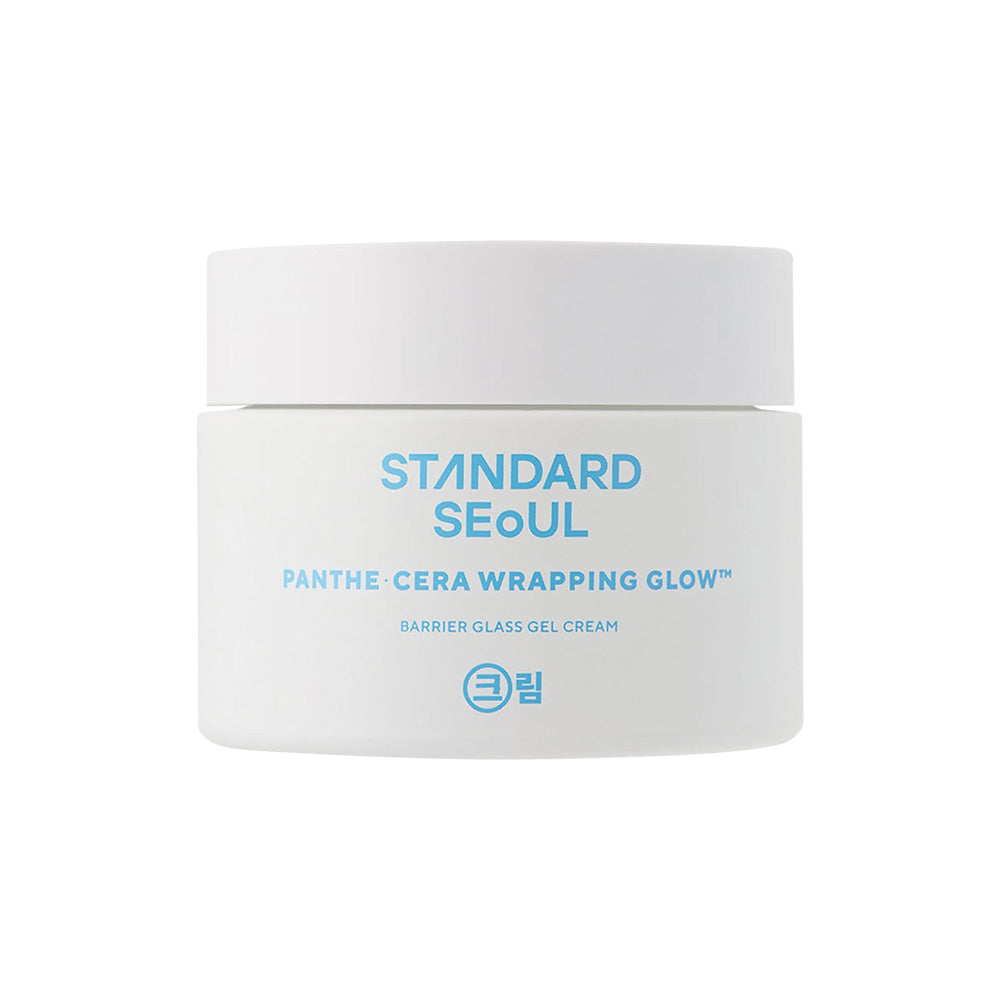
Your Step-by-Step Barrier-Repair Routine
-
Gentle Cleansing: Choose a mild, low-pH cleanser. Avoid hot water and excessive rubbing.
-
Hydrating Toner: Opt for alcohol-free, pH-balancing toners to soothe tightness. Pat gently into the skin.
-
Barrier Serum: Use serums containing ceramides, panthenol, or hyaluronic acid to restore hydration and strength.
-
Moisturizer: At night, apply a richer cream to lock in moisture. In the daytime, a lighter formula keeps skin hydrated without heaviness.
-
Sun Protection: UV rays are a major cause of barrier damage. Apply SPF 30 or higher every day.
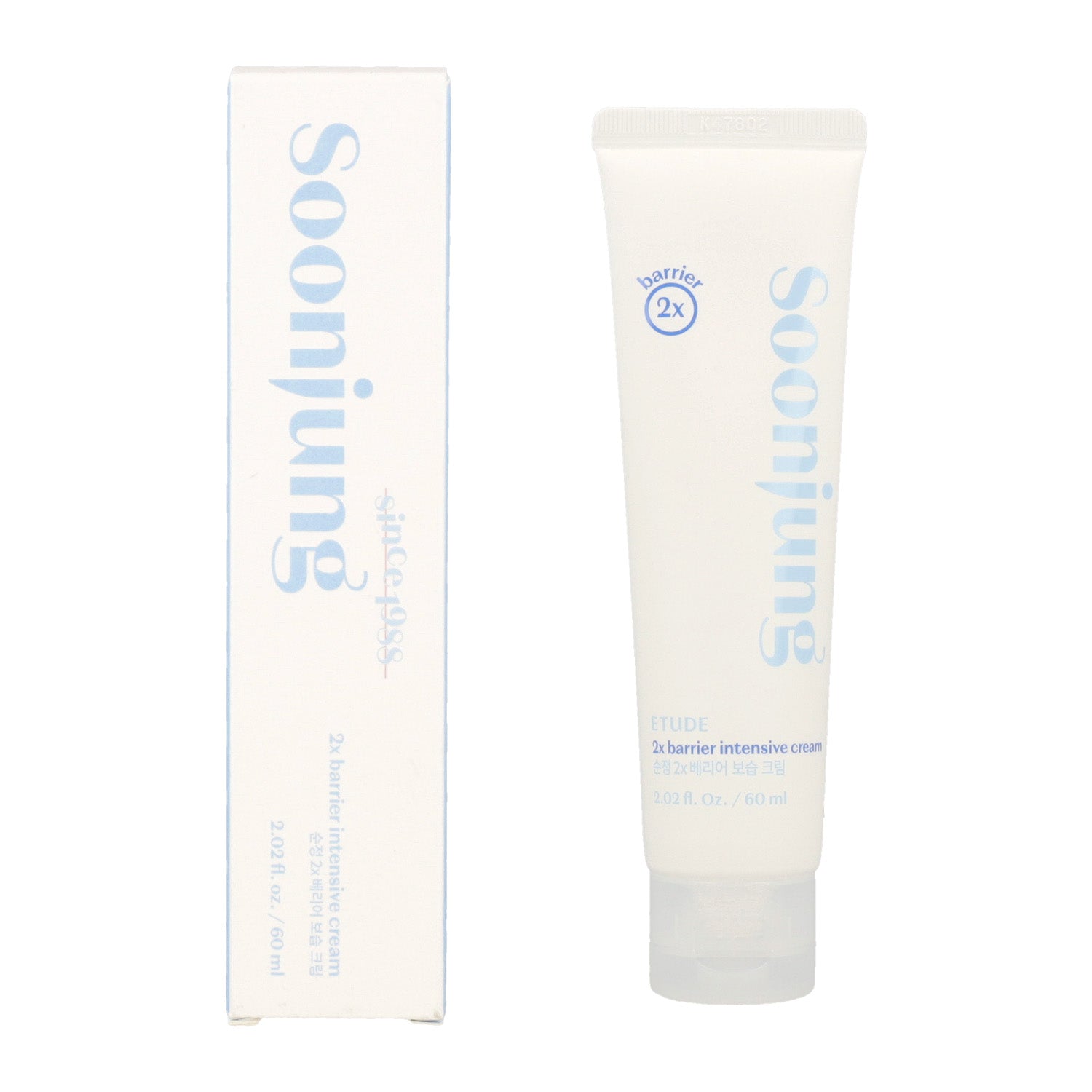
Lifestyle Habits That Support a Healthy Barrier
- Drink 1.5–2 liters of water daily to keep your skin hydrated from within.
- Get enough sleep and manage stress — recovery is key for skin renewal.
- Use a humidifier when heating or cooling your room to maintain ideal humidity.
- On days you use exfoliants or retinol, follow up with extra hydration and barrier care.
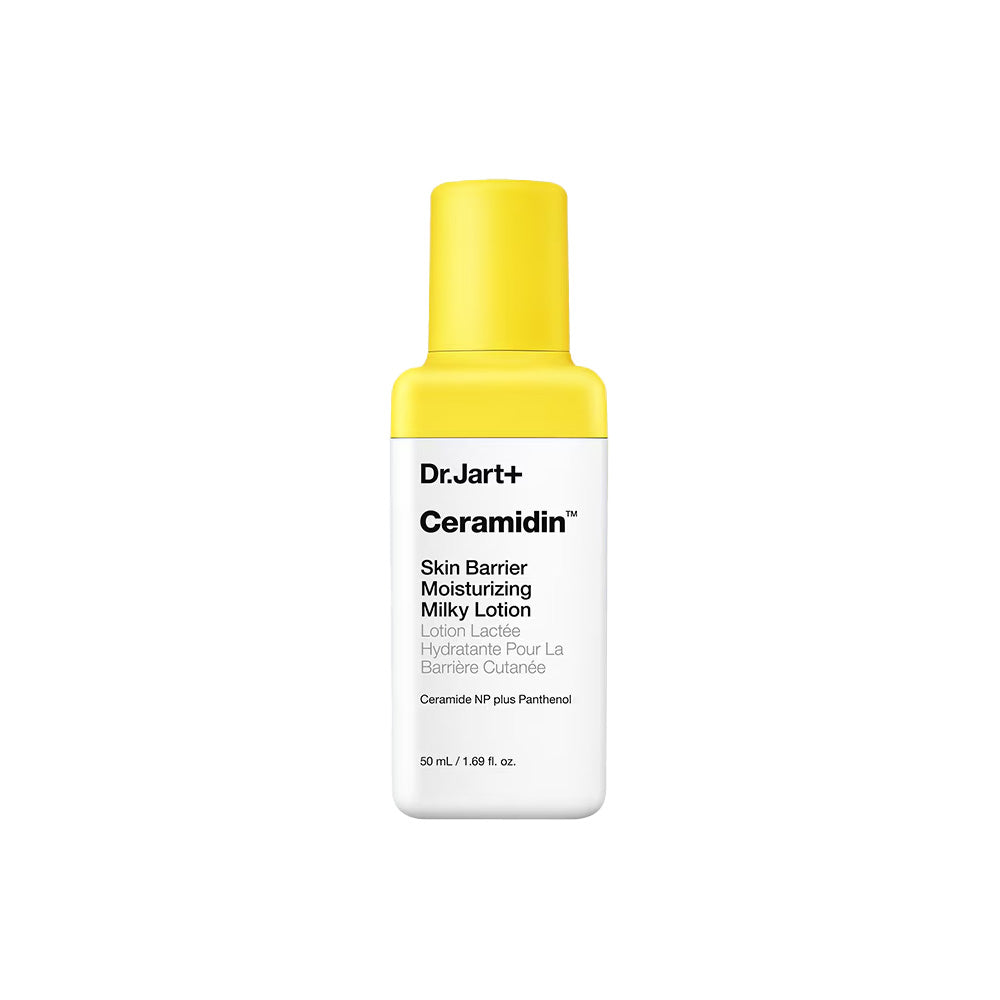
Dr.Jart+ Ceramidin™ Skin Barrier Moisturizing Milky Lotion 50ml
Strengthening your skin barrier isn’t just another beauty trend — it’s the foundation of long-term skin health.
Once your barrier is restored, every product you use works better, and your skin naturally looks smoother, plumper, and more radiant.
Instead of asking, “What more should I apply?”, try asking, “Is my skin strong enough to protect itself?” That mindset shift can make all the difference — because true beauty starts with resilience.


![[Dark Spot Duo Set] TX-Kojic Toner Pads + Serum](http://www.dodoskin.com/cdn/shop/files/1_9fdbbfb9-054c-47c4-b4f4-56f0b05c6f39.png?v=1784006114)

![[Best Seller] BOJ Sun Duo](http://www.dodoskin.com/cdn/shop/files/1_724e793d-4272-4a56-9f18-c0a9e4ea50b0.png?v=1783404012)


![[Best Seller Duo Set] Grow:Turn Exosome Brush Ampoule 100ml + Grow:Turn Brush Steam Booster](http://www.dodoskin.com/cdn/shop/files/5_8e1bb104-e1d9-4a7c-a684-16cc0e019401.png?v=1783412015)


